
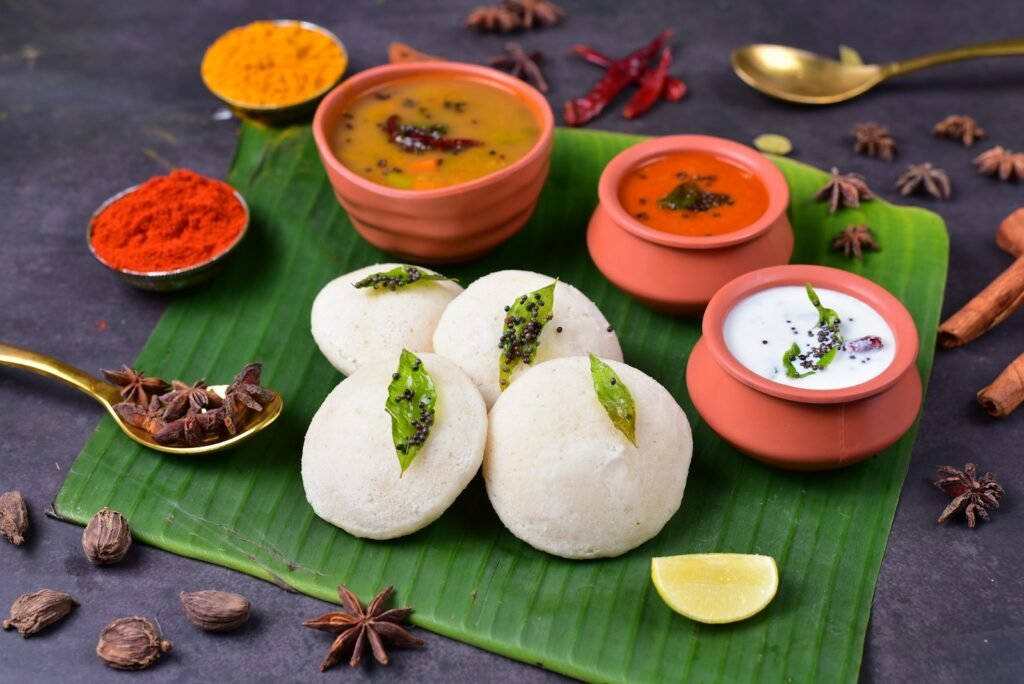
Good running nutrition doesn’t require imported superfoods. A traditional Kerala diet, with its rice, pulses, fish, coconut, vegetables and fruit, already covers most of what runners need. The key is getting the balance and amounts right for how much you train.
Carbohydrates: your main running fuel
Carbohydrate is the body’s preferred fuel for running at any effort beyond very easy. Rice, puttu, appam, idli, dosa, chapati, kappa (tapioca) and bananas are all good sources. On days with long runs or hard sessions, have a bit more; on rest days, a bit less is fine.
Protein: for repair and recovery
Runners need more protein than inactive people. Sports nutrition guidelines suggest roughly 1.2 to 2.0 grams per kilogram of body weight per day for athletes, spread across meals. Good everyday sources:
- Fish (sardine/mathi, mackerel/ayala and others) and chicken
- Eggs
- Kadala (black chickpeas), cherupayar (green gram), dal and other pulses
- Milk, curd and moru (buttermilk)
- Paneer, tofu, peanuts and other nuts
Try to include a protein source at every main meal. Breakfast is where many people fall short: puttu with kadala, or appam with egg curry, does better than plain carbohydrate.
Fats: coconut in moderation
Coconut is part of almost every Kerala meal. Fat is an important energy source, but it’s easy to eat a lot of it in coconut oil and grated coconut. Moderation, plus some variety from nuts and seeds, is a sensible approach.
Iron: important, especially for women
Runners, and particularly women who menstruate, are at higher risk of low iron, which can cause tiredness and poorer performance. Include iron-rich foods such as green leafy vegetables (cheera), pulses, eggs, fish and meat, alongside vitamin C sources like guava, amla or lime to help absorption. If you feel unusually tired, ask your doctor about a blood test rather than taking iron supplements on your own.
Fruit and vegetables
Thoran, avial, olan and fresh fruit like papaya, guava, mango and banana provide fibre, vitamins and minerals that support overall health and recovery. Aim for a variety of colours over the week.
A sample training day
- Early morning: run (water before; a banana if you need it)
- Breakfast: puttu with kadala curry and a glass of milk
- Lunch: rice, fish curry or dal, thoran, and moru
- Evening snack: fruit and a handful of peanuts, or a boiled egg
- Dinner: chapati or appam with vegetable stew or egg curry
This isn’t a prescription, just an example of how ordinary meals can cover a runner’s needs.
Watch out for under-eating
If you increase your training without eating more, you may feel constantly tired, get injured more often, or (for women) notice changes to your periods. These are signs to eat more and to speak to a doctor or sports dietitian.
Frequently asked questions
Is rice good for runners?
Yes. Rice is an easily digested carbohydrate and a good fuel for training, especially before and after long runs.
How much protein does a runner need?
Guidelines for athletes suggest about 1.2 to 2.0 grams per kilogram of body weight per day, spread across meals.
Should runners take iron supplements?
Only if a blood test shows you need them. Too much iron can be harmful, so check with a doctor first.
Sources
This article is general information, not medical advice. If you have a health condition, are pregnant, or are returning from injury, talk to a doctor or physiotherapist before starting a new training plan. Read our editorial policy.

Ashkar is the founder of KeralaRunners, a marathoner, and a Procam Slam finisher. He started KeralaRunners to help people across Kerala take up running, find others to run with, and learn from each other. He writes about the everyday decisions runners face, from choosing their first pair of running shoes to preparing for their next race.


