
Affiliate links: some links in this article go to Amazon.in. If you buy through them, KeralaRunners may earn a small commission at no extra cost to you. They link to product categories, not products we’ve been paid to recommend. Editorial policy.
In a humid climate you can lose a lot of sweat on a run. Losing too much fluid makes running feel harder and increases the risk of heat illness. But drinking far more than you lose is also a problem, and can be dangerous on very long runs. The goal is to roughly replace what you lose.
Start hydrated
Drink normally through the day and have a glass or two of water in the couple of hours before you run. Pale yellow urine is a reasonable sign you’re well hydrated.
During the run
- Under an hour: most people don’t need to drink during the run, especially in the cool early morning.
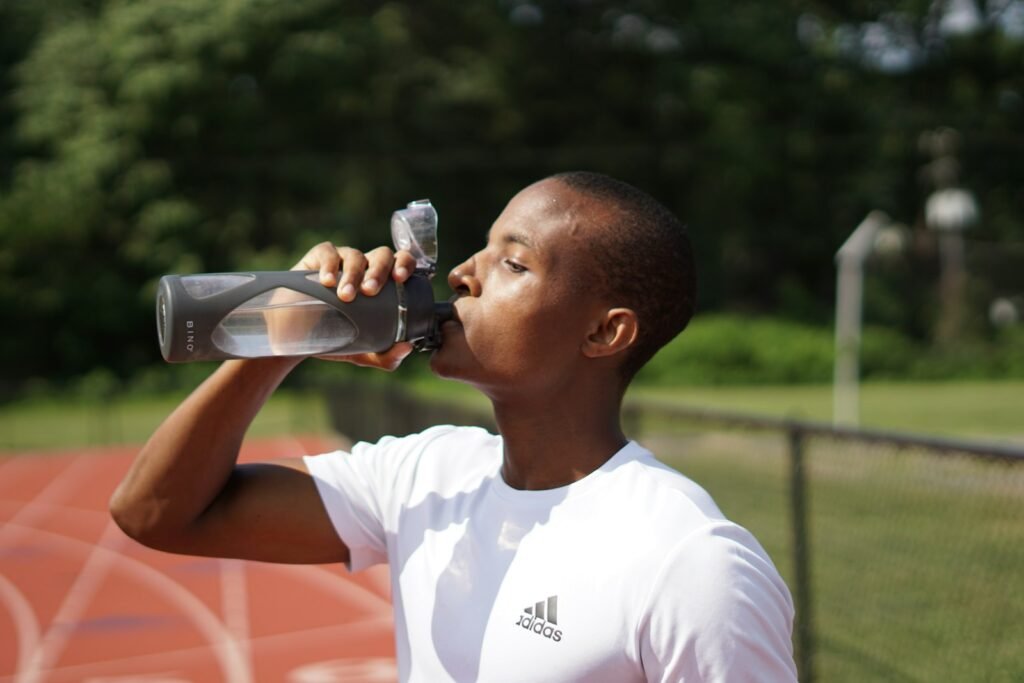
- Over an hour, or in heat: drink regularly, guided by thirst. Carry a handheld bottle (Amazon.in, opens in a new tab) or plan a route past a shop or tap.
Find your sweat rate
A simple test tells you how much you lose:
- Weigh yourself without clothes before a one-hour run.
- Run, noting how much you drink.
- Towel off and weigh yourself again.
- Each kilogram lost is about one litre of sweat. Add back what you drank.
Guidelines suggest avoiding losing more than about 2% of your body weight during exercise. If you regularly lose more, drink a bit more on long runs. If you gain weight during a run, you’re drinking too much.
Water or electrolytes?
Sweat contains sodium (salt) as well as water. For runs under an hour, water and your normal meals replace what you need. For long runs, races and very sweaty days, a drink with sodium helps. Options include:
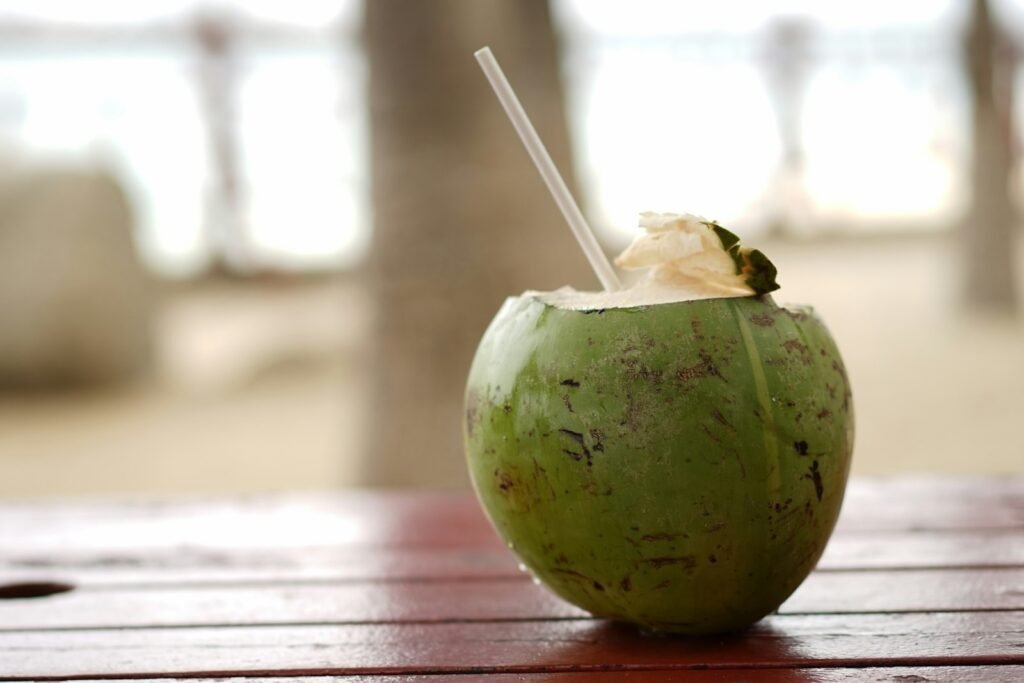
- Tender coconut water (naturally contains potassium and some sodium)
- Lime water or buttermilk (moru) with a pinch of salt
- Sports drinks or electrolyte tablets (Amazon.in, opens in a new tab) dissolved in water
The danger of drinking too much
Drinking much more than you sweat over several hours can dilute the sodium in your blood, a condition called hyponatraemia. Symptoms include headache, nausea, confusion and swelling of the hands. It’s rare, but it’s why “drink as much as possible” is bad advice. Drink to thirst and use your sweat test as a guide.
After the run
Rehydrate over the next few hours with water and a normal meal, which provides the salt you need. A glass of moru or tender coconut water is a refreshing local option.
Frequently asked questions
How much water should I drink during a run?
It depends on your sweat rate and the weather. For runs under an hour, often none is needed. For longer runs, drink to thirst and use a sweat test to estimate your needs.
Is tender coconut water good for runners?
It's a refreshing way to rehydrate and contains some electrolytes, mainly potassium. For long, very sweaty runs you may also need extra sodium.
Can you drink too much water while running?
Yes. Drinking far more than you sweat over long periods can cause hyponatraemia, which can be dangerous.
Sources
This article is general information, not medical advice. If you have a health condition, are pregnant, or are returning from injury, talk to a doctor or physiotherapist before starting a new training plan. Read our editorial policy.

Ashkar is a marathoner and Procam Slam achiever, having completed all four Procam International races in a single season. Ashkar writes KeralaRunners’ training guides, combining race experience with published research and guidelines. Health topics are checked against the evidence; see our editorial policy.


